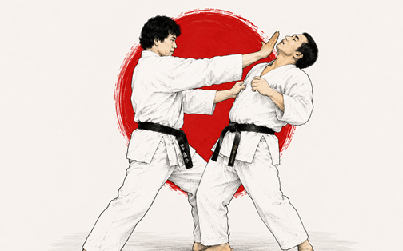
Classes

Classes tailored to children, teenagers and adults, from beginners to experienced practitioners. With respect, mutual support and kindness.

Karate

The way of the empty hand

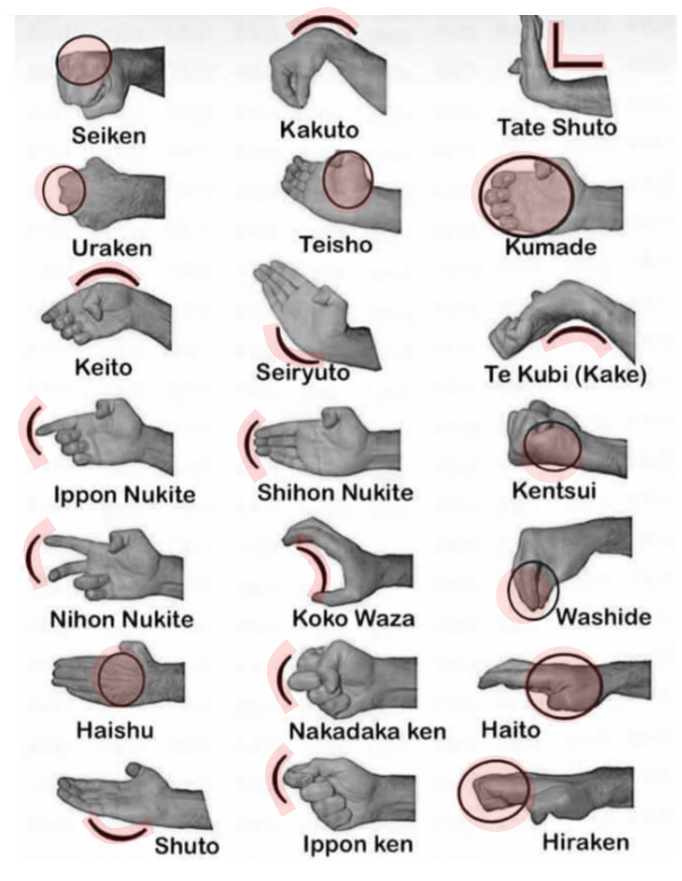
Karate uses all of the body's natural weapons (fingers, open and closed hands, forearms, feet, shins, elbows, knees, head, shoulders…) to block attacks, subdue an opponent or strike.
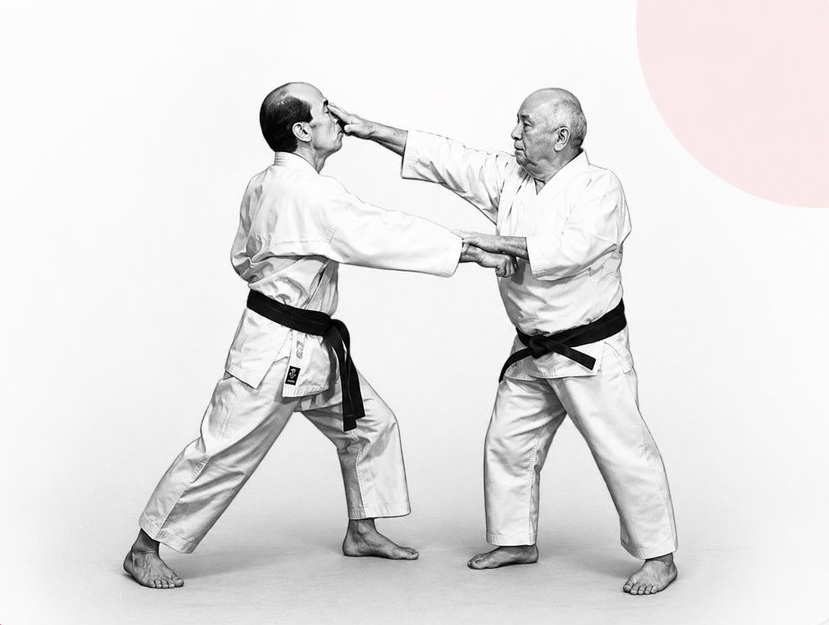
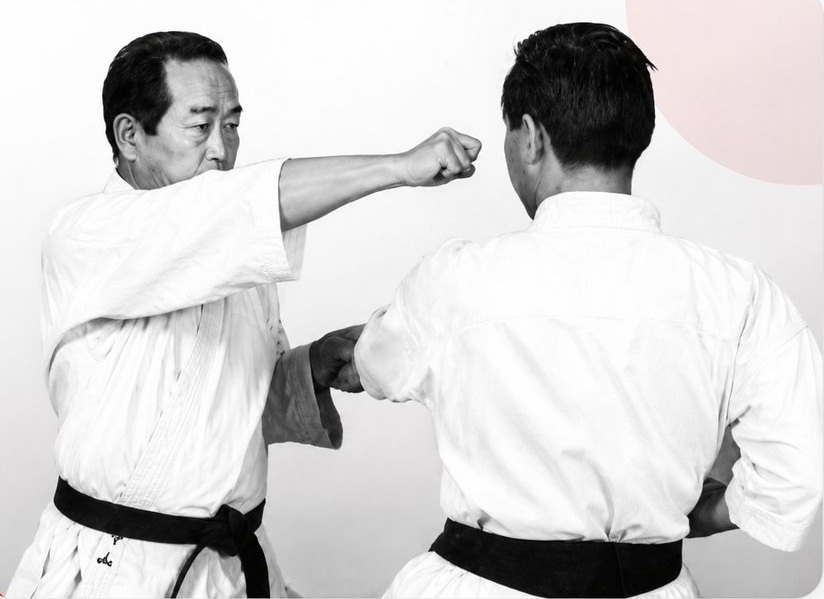
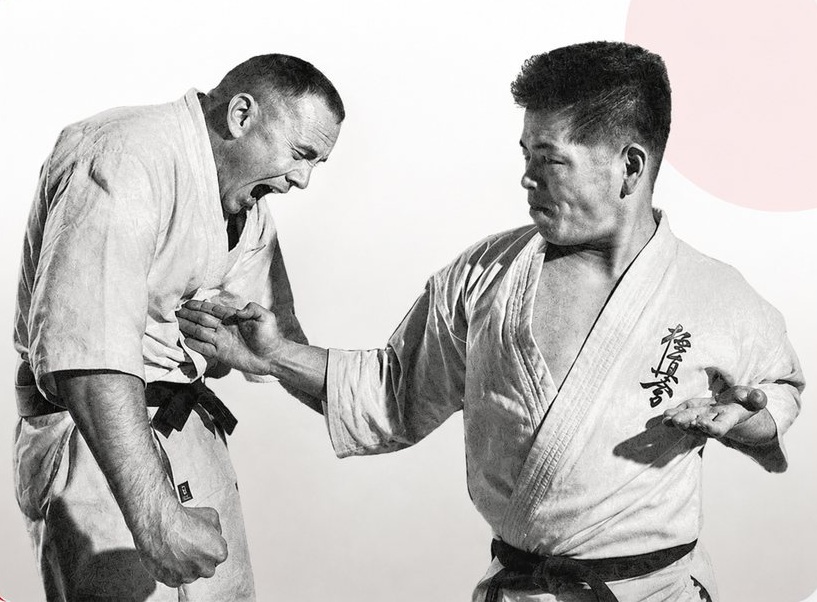
Striking and control demonstration
Distance work in karate
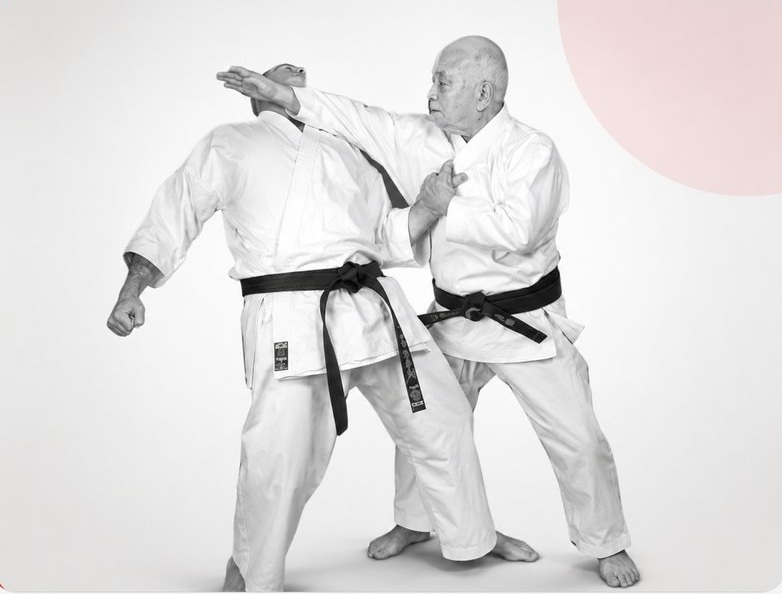
Close-range application
Close-contact control
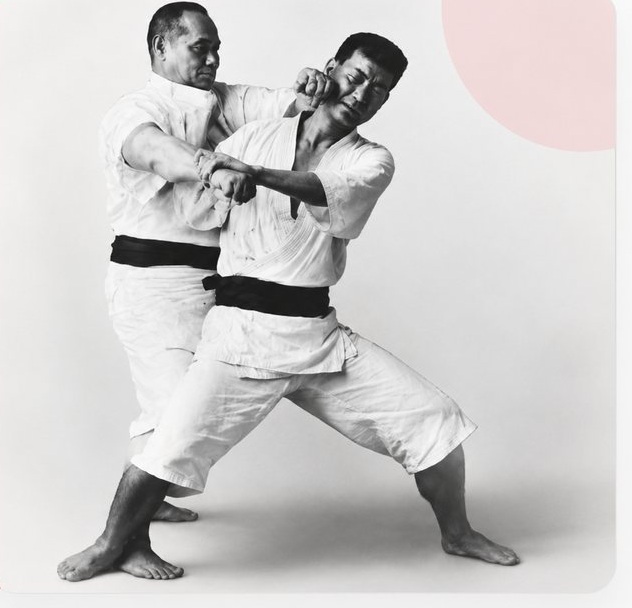
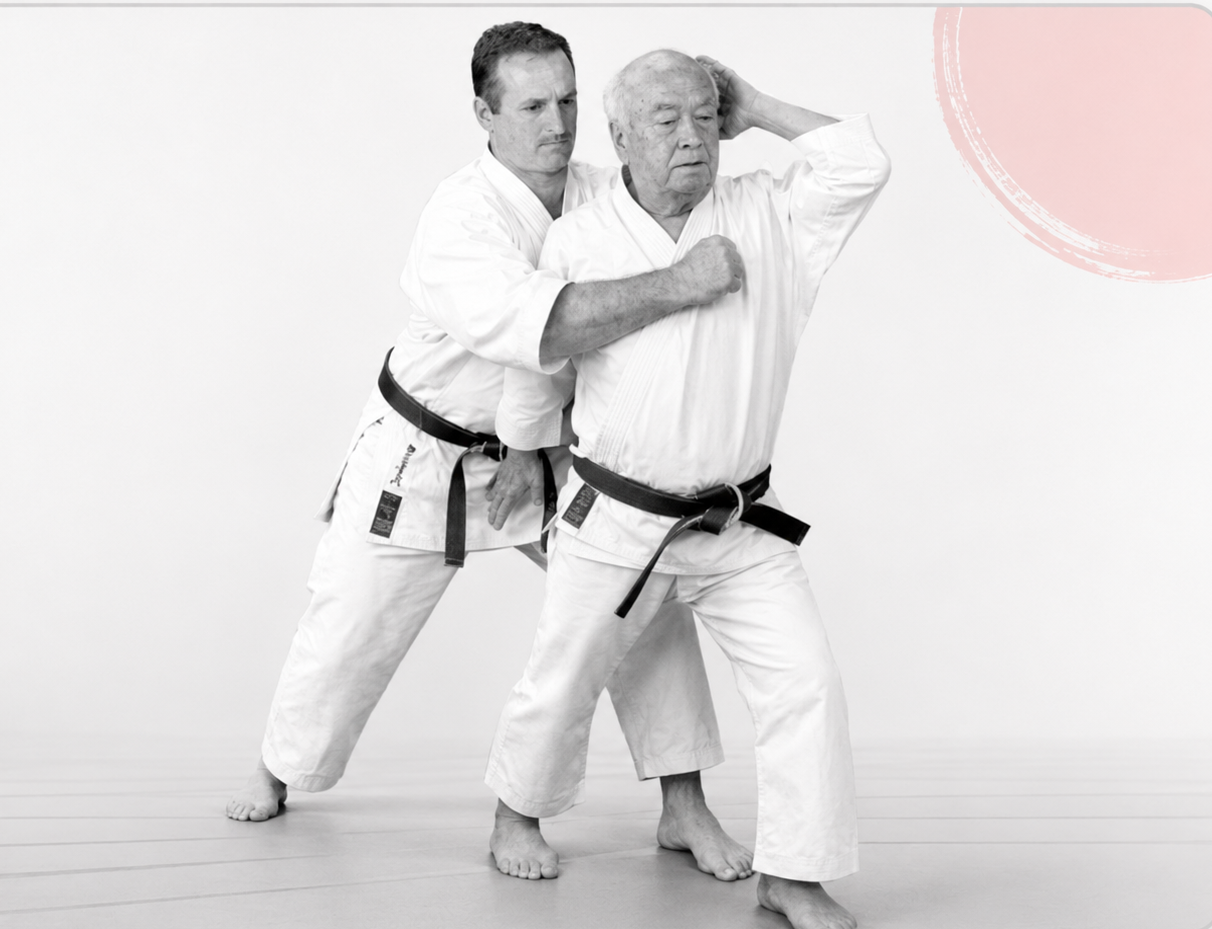
Unbalancing and grabbing
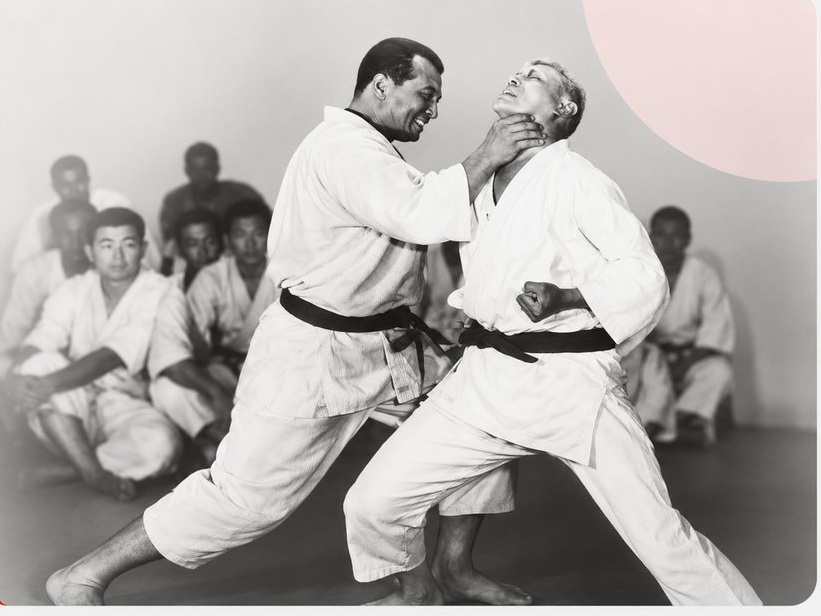
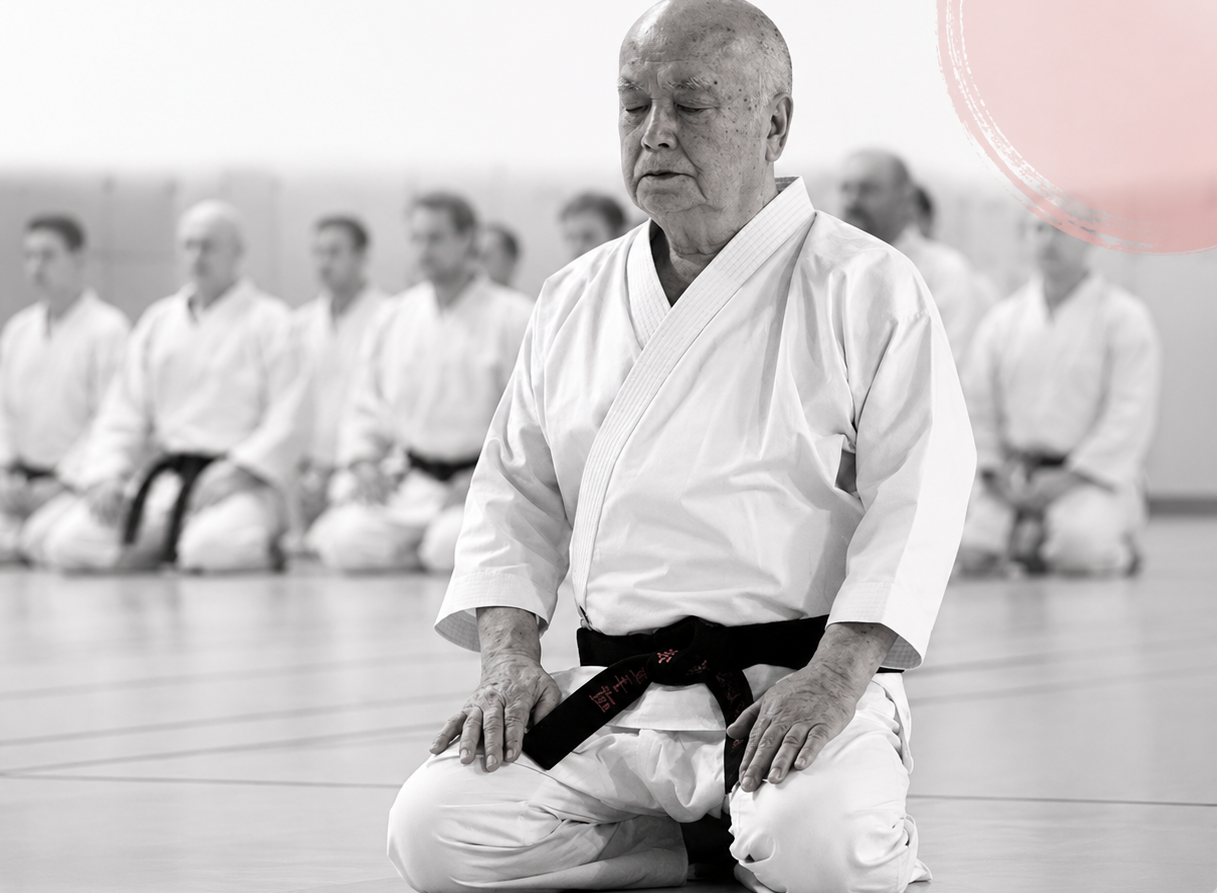
Demonstration for the group
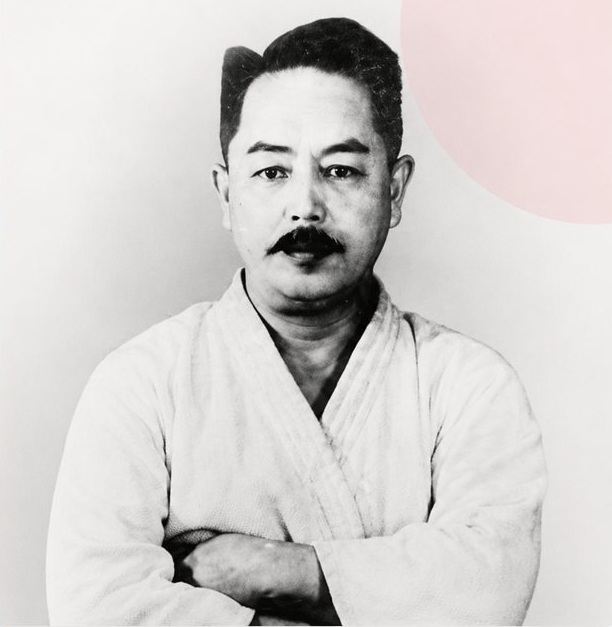
Historical portrait of a karate master
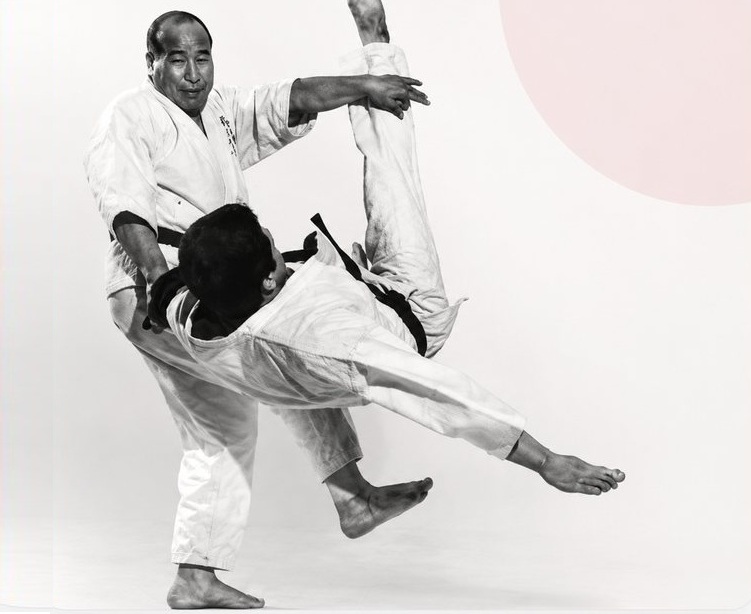
Throw in motion
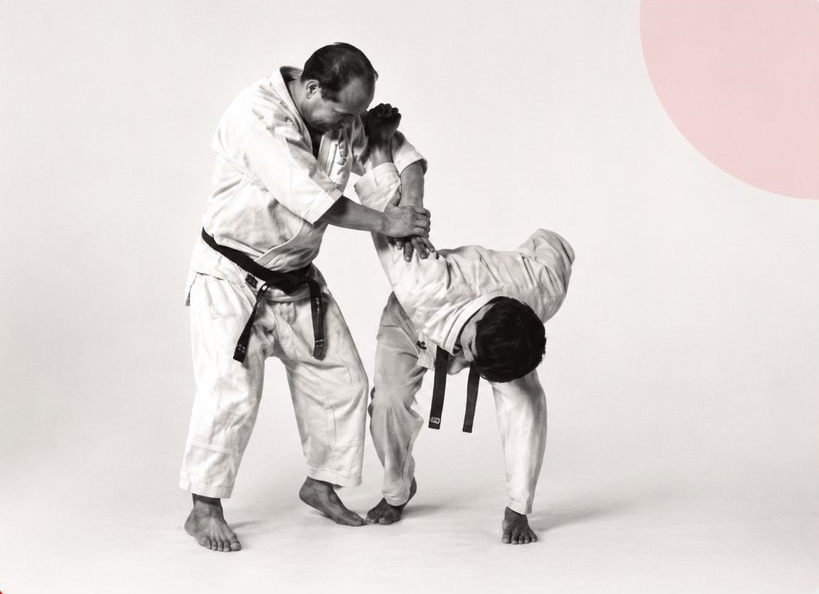
Joint control
Traditional martial applications

Find an extract from the official FFK syllabus here to prepare for your black belt.

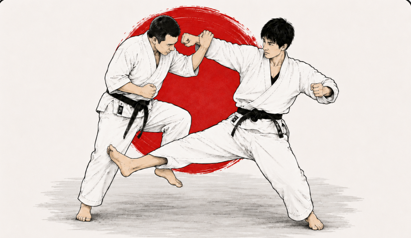
Atemi-waza: striking and controlling an opponent
01

ATEMI-WAZA

Strike an opponent.

Nage-waza: throws and sweeps
02

NAGE-WAZA

Throw and sweep.

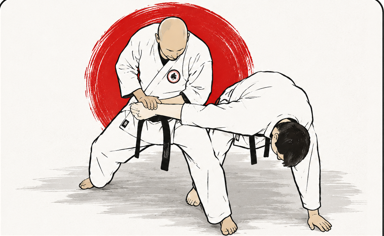
Kansetsu-waza: joint locks
03

KANSETSU-WAZA

Apply a joint lock.

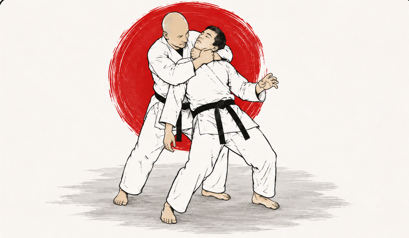
Shime-waza: controlled strangulation
04

SHIME-WAZA

Apply a choke.

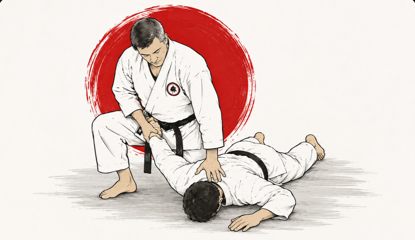
Katame-waza: control and immobilisation
05

KATAME-WAZA

Control, immobilise and submit.

Chart of the main striking surfaces in karate
At the dojo

Karate for everyone, tailored to each individual

At the club, varied training methods allow everyone to progress at their own pace, respecting their age, abilities and limits. A well-rounded practice to develop the body, confidence and spirit.


Kihon: fundamentals, stances, blocks and strikes
Kata: set sequences, precision, balance, rhythm and concentration
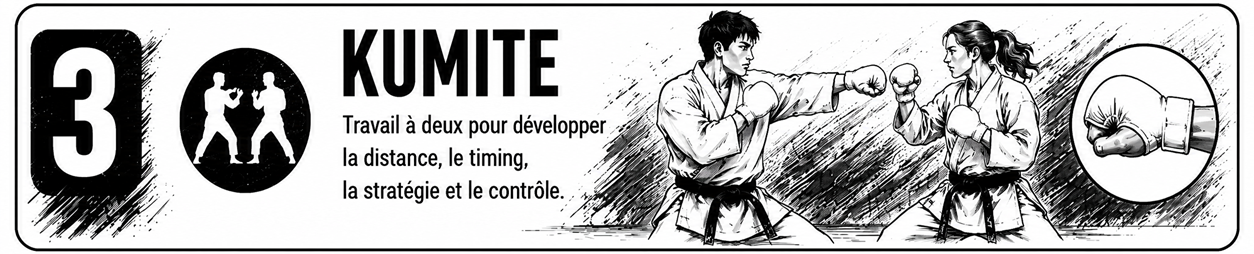
Kumite: partner work, distance, timing, strategy and control
Physical preparation: strength, endurance and coordination
Stretching: mobility, range of motion and injury prevention
Shields and targets: precision, speed and power on Thai pads, focus mitts or shields
Conditioning: building resilience and adapting to impact